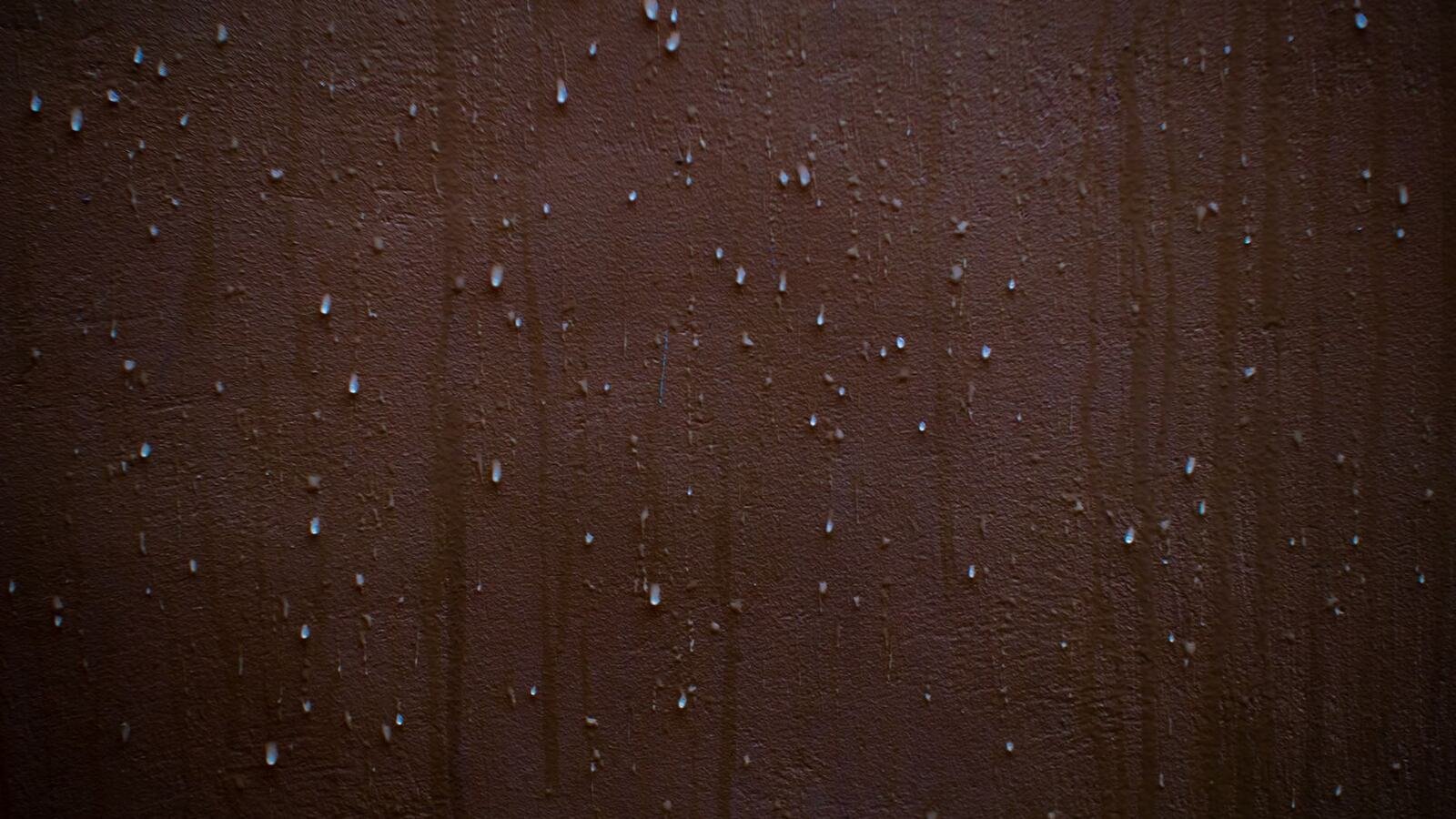
Damp: finding where the water is coming from
Painting over a damp patch solves nothing: it comes back within six months. The first job is establishing where the water is actually coming from.
- 48 h
- Fixed written quote within 48 h
- 0 €
- Free site visit
- 5
- On this page
- ★ 5,0
- Google · 13
Short answer
How do I know which kind of damp I have?
There are four possible causes and each leaves a different signature: rising damp (a tide line low on the wall with white salts), penetrating damp (worse in the days after rain), condensation (black mould in cold corners, worse in winter) and a plumbing leak (grows with no relation to the weather). The free test that settles the most common misdiagnosis: tape clear plastic over the patch, sealed on all four sides, for 48 hours — droplets on the inside face mean water crossing the wall, droplets on the room face mean condensation. Getting it wrong means paying twice for an insulated dry lining at €55/m² or waterproofing from €95/m². Allow two to six weeks of drying before redecorating, and never renovate over active damp.
There are four possible causes and each leaves a different signature. The position of the patch and the time of year it appears tell you almost everything you need to know.
| What you can see | Most likely cause | The check that confirms it | Who normally pays |
|---|---|---|---|
| Tide line low on the wall with white powder | Rising damp | Same height all year, ground floor or first floor | Owner, or comunidad if foundations |
| Patch that grows 24-48 hours after rain | Penetrating damp | Sealed plastic test: droplets on the wall side | Comunidad if roof, façade or party wall |
| Black mould in corners and behind wardrobes | Condensation | Sealed plastic test: droplets on the room side | Owner |
| Round patch on the ceiling that grows overnight | Leak from the flat above | Grows without rain; their meter turns with taps closed | The neighbour or their insurer |
| Paint blistering across a whole wall | Salts, or damp still active | Repainting before it dries blisters again within months | Owner — and paid twice |
The four causes and how they show
- Rising damp: a patch at the base of the wall, up to about a metre high, with white salt deposits. Constant all year round
- Penetrating damp: a localised patch that grows with rain and dries afterwards. Usually from the façade, the roof or a terrace
- Condensation: black mould in corners, on ceilings and behind wardrobes. Worse in winter and when the property is shut up
- A leak from the plumbing: a patch that grows with no relation to the weather outside, often alongside a higher water bill
The simplest test there is
Tape a sheet of clear plastic over the patch, sealed on all four sides, and leave it for 48 hours. If droplets form on the inside face, the water is coming through the wall. If the outer face is wet, it is condensation from the room air. This costs nothing and settles the most common misdiagnosis in the business.
Rising damp
Water climbing up from the ground
Typical of ground floors and of older buildings with no damp-proof course. Water from the ground rises through the pores of the masonry, which is why it stops at a consistent height.
How it is genuinely resolved
- An injected chemical barrier at the base of the wall, creating a line the water cannot cross
- Perimeter drainage where there is external access to the wall
- Breathable finishes: a renovation render lets the wall dry without blistering
- Ventilation of the space, which deals with the resulting ambient humidity
What does not work
Anti-damp paint, ceramic tiling or a dry lining applied without addressing the cause. The water carries on rising and reappears above the patch, usually within a year — and now there is a lining in the way, so the second repair costs more than the first would have.
Condensation
The damp we generate ourselves
This is the most common type in Barcelona flats and the most frequently misdiagnosed: it gets mistaken for penetrating damp, and money goes into fixing a façade that was never the problem.
Why it happens
Warm indoor air carries water vapour. When it meets a cold surface — the corner of an external wall, a thermal bridge, the roller shutter box — the vapour condenses. What appears is black mould rather than a brown stain, and that colour difference is the quickest diagnostic there is.
How it is corrected
- Ventilation: five minutes of cross-ventilation a day changes the air without chilling the property
- Insulating the cold spot: a lining to the external wall, insulation to the shutter box
- Extraction in the kitchen and bathroom, where most of the vapour is generated
- Not drying laundry indoors without ventilating
Watch for this after a renovation
When old windows are replaced with airtight ones, the property stops ventilating itself through the gaps. If controlled ventilation is not designed in, condensation appears where there was none before. It is a well-known effect and entirely avoidable — but it does mean that new windows and a ventilation strategy belong in the same project.
For overseas owners
Diagnosing a property you are not standing in
Damp is the defect most likely to be invisible during a viewing and most likely to be expensive afterwards. A flat that has been shut up for months looks dry; the same flat looks very different in February with someone living in it.
What to establish before buying
- Whether the flat is on the ground floor or below the level of a courtyard, which raises the rising damp risk
- Whether the flat below a terrace or a flat roof — the classic source of penetrating damp
- Whether the façade has had an ITE inspection and what it concluded
- Whether there is any mould behind wardrobes and in corners, which sellers routinely paint over before viewings
Who pays when it comes from elsewhere
Damp originating in another flat or in a common element is not your cost. If it comes from a neighbour’s terrace or bathroom, it is theirs; if it comes from the façade, the roof or a common stack, it is the comunidad’s, and it is typically funded through a derrama. Establishing the origin is therefore not only a technical question but a financial one, and it should be settled before anyone repairs anything.
Never renovate over active damp
This is the rule that matters most. Renovating on top of a live damp problem means the patch reappears through the new finish, and the renovation gets blamed for a defect that predates it. Diagnosis first, cure second, finishes third — in that order, without exception.
Frequently asked
Common questions
Condensation produces black mould in corners and on cold surfaces, worse in winter and when the property is shut up. Penetrating damp produces a brown stain that grows with rain and dries afterwards. The 48-hour plastic sheet test confirms which one you have.
Only as a finish after the cause has been resolved. Applied over a wall with active rising damp it blisters and falls off, usually within a year, and the underlying problem carries on unchanged.
Yes, and it is common with leaks from a terrace or a bathroom above. Where the origin is in another property or in a common element, the cost falls on that owner or on the community, which is why establishing the source matters financially as well as technically.
Always. Renovating over active damp means the patch reappears through the new finish, and the renovation is blamed for a defect that was there beforehand. It is the most common reason a technically sound job is judged a failure.
Old frames ventilated the flat through their draughts. Airtight new ones do not, so the moisture the household generates stays inside and condenses on cold surfaces. Controlled ventilation should be designed in as part of the same project.

Next step
Want a figure for your own project?
Free site visit in Barcelona and the metropolitan area. Fixed written quote within 48 hours, no obligation.
More articles
Keep reading
Renovation contract
The contract is not a formality to get the work started: it is the document that decides who pays for every surprise. From 1,500 km away, it is also your main lever.
Small kitchens
Period flats in Barcelona put the kitchen at the back, next to the gallery, with whatever metres were left over. They cannot be stretched — but they can be worked.
Duplex staircases
The staircase is the most expensive piece of furniture in a duplex and the only one you cannot return. It gets decided once — with the regulations and the floor structure in front of you.
Flat storage
Spanish flats are sold with no built-in storage at all — no closets, no basement, no attic. Where it goes instead is a small vocabulary lesson and a planning job.
Other services
We also do
Clients
What clients say after their renovation
Rated 5.0 from 14 Google reviews. All real, from real projects.
★★★★★
“Doy un 10 la verdad con el servicio que me han prestado en una reforma de un piso en Barcelona capital, gente muy seria y responsable, gracias.”
Araks SahakyanJuly 2026
★★★★★
“Quedé encantada con la atención y la calidad del trabajo. Se nota que cuidan los detalles y cumplen con lo que prometen.”
Ana RiveraApril 2026
★★★★★
“Servicio muy profesional. Me explicaron todo con claridad y el trabajo quedó perfecto.”
Ana AlemanMarch 2026
★★★★★
“Si estas buscando profesionales responsables para hacer tu reforma, es el lugar indicado. Especializados en reformas integrales con la mejor atención personalizada. 100% recomendados.”
Daniel GarganoFebruary 2026
★★★★★
“Muy buen trabajo, ha realizado un trabajo muy profesional, ha cumplido en plazo y en calidad.”
Francisco PiñeirosAugust 2025
★★★★★
“Muy buenos profesionales, con excelente resultado.”
Esther DiezJune 2026
Want a figure for your own project?
Free site visit and a fixed written quote within 48 hours.
+34 615 78 93 41· Carrer de la Diputació, 189, Local 2 · 08011 Barcelona